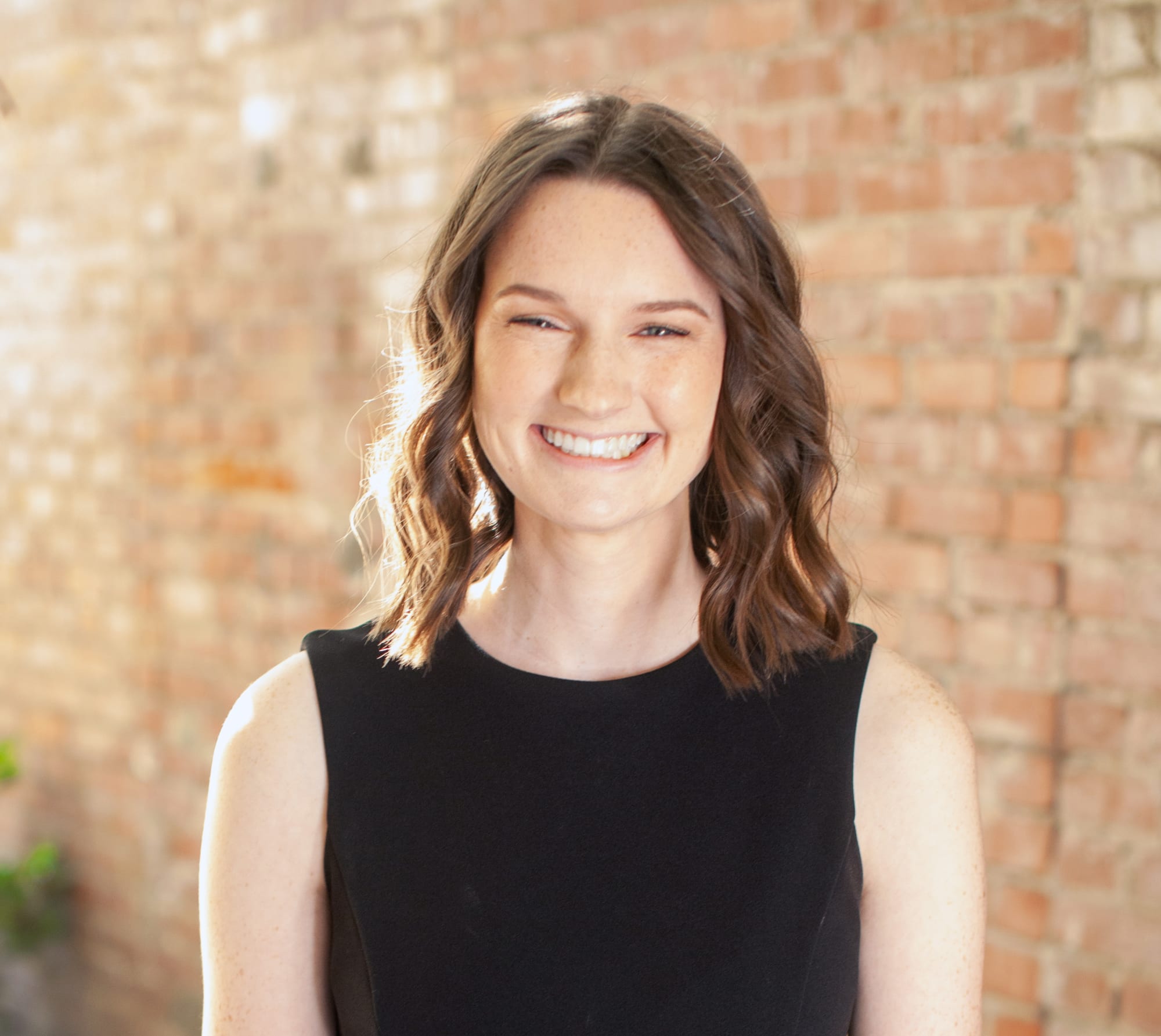
Katherine Taylor
Categories
Neuroscience and brain-behavior relationships Patient advocacy Dysphagia (swallowing) assessment skills Counseling and family education Evidence-based practice application Rehabilitation and recovery processes Collaboration with interdisciplinary teams (OT, PT, teachers, physicians) Clinical assessment and diagnostic reasoning Empathy and patience Hospitals (acute care, inpatient, outpatient) Swallowing/dysphagia specialty clinics Post-surgical patients affecting swallowing function Adults with swallowing disorders due to neurological or structural causes Stroke (aphasia, dysarthria, apraxia) Speech sound disorders (articulation, phonology) Head and neck cancer patients (speech and swallowing impacts) Respiratory conditions affecting speech/swallowing Older adults / geriatric population Parkinson’s disease and other neurodegenerative diseases Working-age adults Brain tumors and neurological conditions Cognitive-communication disorders (e.g., TBI, dementia, stroke)